Little Disasters Review: A Who Dunnit About Motherhood and Mess
There are thrillers that come in loud, and then there are the quiet ones that slide under your skin and sit with you days later. Little Disasters is absolutely the second type.
This limited series follows four women whose friendship was born in an antenatal class and held together by playdates, school runs, and group chats. On the surface, they’re “doing life” together. Underneath, each of them is barely keeping it together in her own way. When one of them shows up in the emergency room with a baby who’s hurt and a story that doesn’t quite make sense, everything cracks.
From the writing to the acting to the pacing, I loved this series. I went in expecting a straight drama about motherhood and judgment. Instead, I got an unexpectedly tense who dunnit that kept shifting my suspicion from one character to the next.
A Story That Starts Small and Then Blows Up
The beauty of Little Disasters is that it never feels like it’s trying too hard. The opening is simple: one exhausted mom, one injured baby, one friend who just happens to be the doctor on duty.
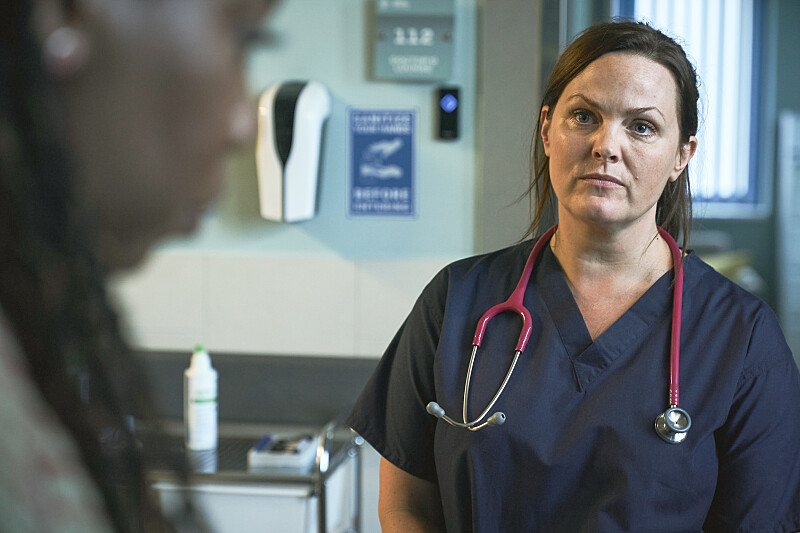
From there, every decision feels small in the moment but huge in the fallout. A box checked. A call made. A sentence that can’t be unsaid. The show lets us sit in those tiny choices and watch how they spiral out into full-blown catastrophe.
We see:
- A mother who looks “perfect” from the outside, but is hanging on by a thread
- A doctor who has protocols to follow and a friendship she doesn’t want to destroy
- Friends who smile at brunch, yet quietly judge each other’s parenting behind closed doors
Because the stakes are so personal—kids, safety, reputation—the tension stays high even in the quiet scenes.
The Writing: Tense, Thoughtful, and So Human
The writing is where this series really shines for me. It never forgets that these are people first, plot devices second.
- Conversations feel like real arguments you’ve heard in real kitchens.
- The show isn’t afraid to sit in awkward silence or let a look do more damage than a speech.
- We get to see each woman’s version of events, which makes it very easy to understand someone one minute and side-eye them the next.
I also appreciated how the script explores:
- Postpartum mental health
- The pressure to be a “good mother”
- The way women judge themselves even harder than the world does
Nothing is treated like a Very Special Episode. It’s all wrapped into the mystery in a natural way.
The Acting: No Weak Links Here
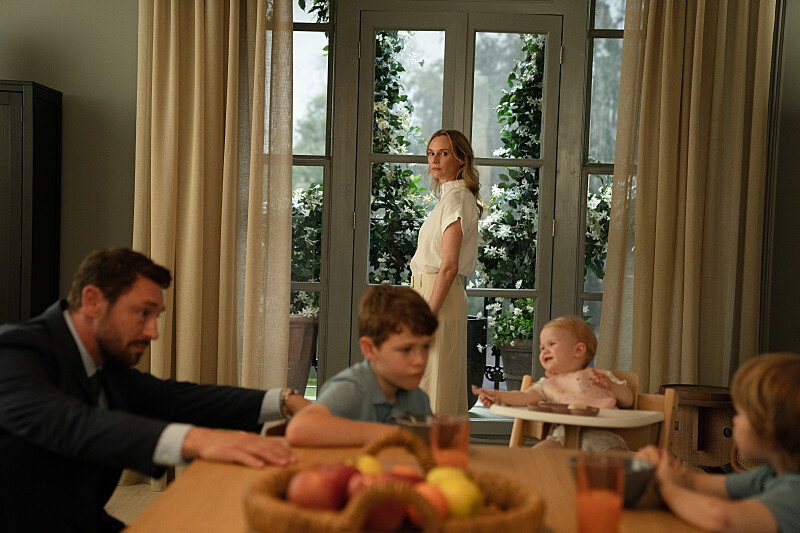
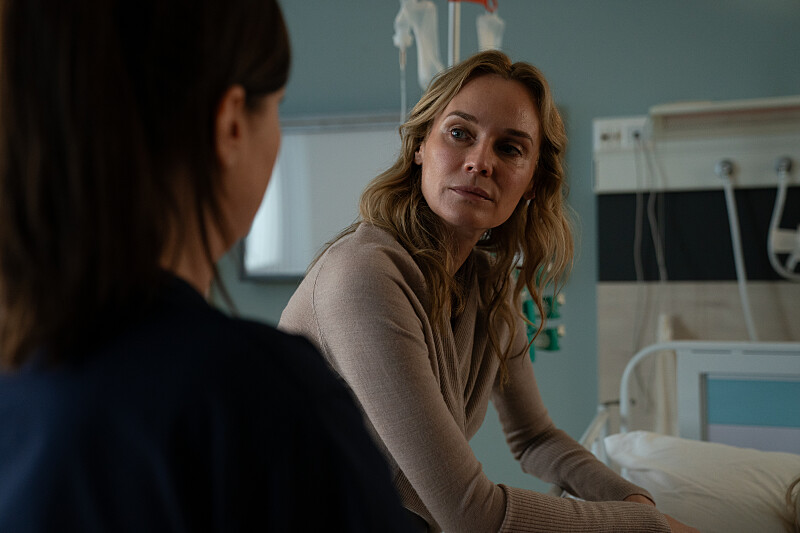
The cast really sells the story. The two central performances—our doctor friend and the mother under suspicion—are doing a lot of heavy lifting:
- One woman is clearly terrified and fragile, but she’s also holding back.
- The other is calm on the outside while falling apart internally as she wonders if she just ruined her friend’s life… or saved a child.
The supporting friends and partners round it out, giving us different lenses on the same situation. You watch a scene and think, “Oh, that wasn’t so bad,” then see it again from another angle and suddenly it feels sinister.
Everyone’s playing in that gray area, and it works.
The Pacing: Slow-Burn, But Never Boring
This is not a jump-scare thriller. It’s a slow, steady pressure cooker.
The pacing is deliberate:
- Early episodes lay the groundwork—friendship history, family dynamics, tiny red flags.
- Middle episodes twist the knife, revealing secrets, old resentments, and new lies.
- By the time we reach the end, every character has a reason to be hiding something.
What I liked is that each episode ends with just enough information to keep you going. It’s never a cheap shock; it’s more, “Wait… does that mean what I think it means?” Click. Next episode.
An Unexpected Who Dunnit
What surprised me most is how mystery-forward this story becomes.
At first, the question is simple: What really happened to the baby?
Then it shifts into something deeper:
- Who is lying?
- Who is protecting someone?
- Who is so deep in denial that they might believe their own stories?
The show turns motherhood, friendship, marriage, and even memory into clues. And because we care about these characters, the answer doesn’t feel like solving a puzzle—it feels like ripping a bandage off something raw and ugly they’ve all been avoiding.
I had my “I KNOW who did what” moment more than once. I was wrong more than once. That’s my favorite kind of who dunnit.
Final Thoughts: Should You Watch Little Disasters?
If you want a loud, twist-every-two-minutes thriller, this won’t be your thing. But if you love:
- Messy female friendships
- Domestic dramas with teeth
- Slow-burn mysteries that reward your attention
- Stories that actually care about how motherhood feels, not just how it looks
…then Little Disasters is absolutely worth your time.
It’s smart, emotional, and quietly brutal in the way it shows how one bad night, one injury, and one decision can blow up everything you thought was solid. For me, it’s one of those rare series where the writing, acting, and pacing all match the ambition of the story.
This is the kind of “little” show that sneaks up on you—and stays. Check out more of my perspectives here.